
Photography vs. Videography Styles: What’s the Difference, and Why It Matters for Your Wedding
Filed in Wedding Tips / July 18, 2025 /


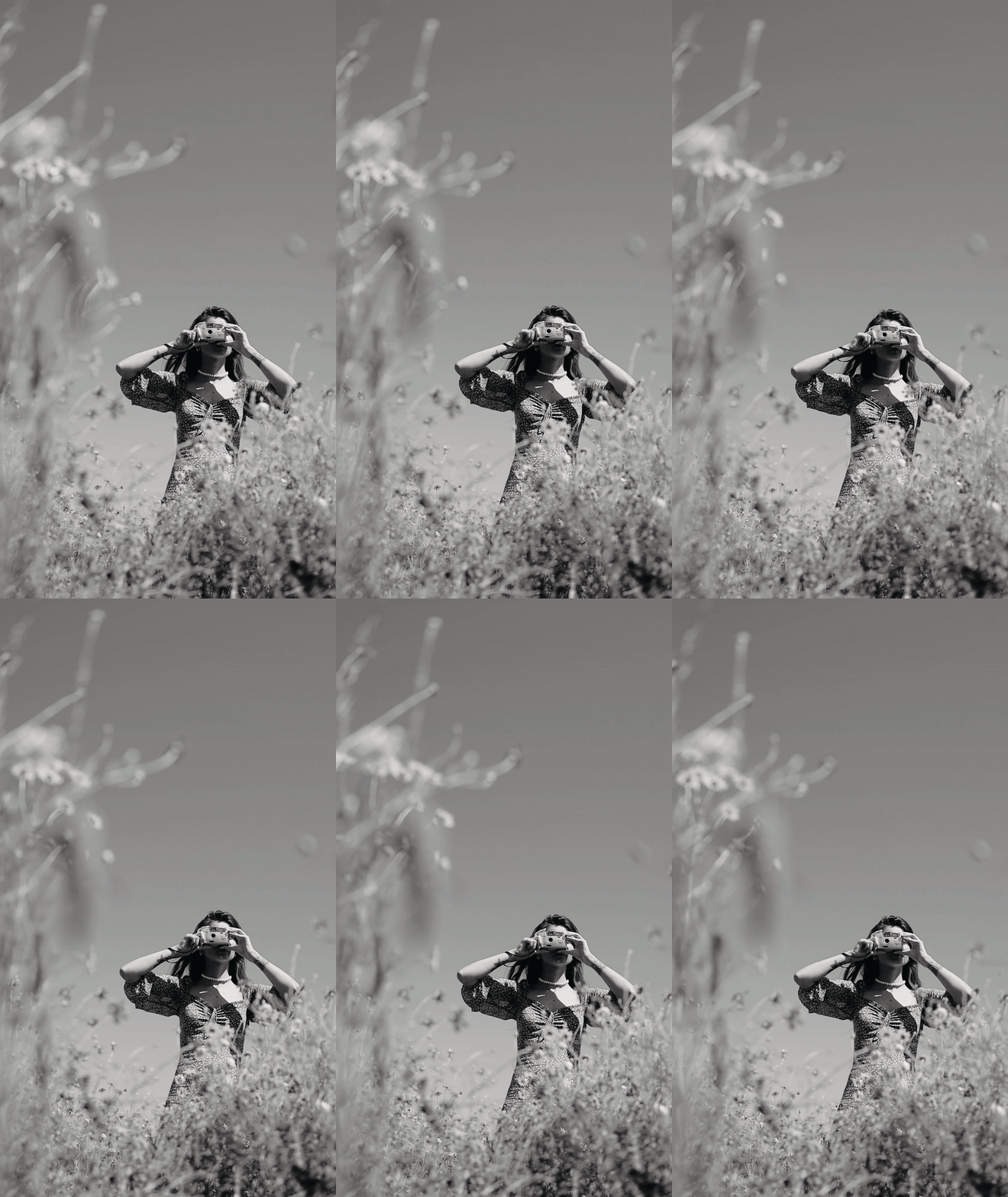

When you’re planning your wedding, choosing a photo and video team isn’t just about finding someone with a camera—it’s about finding someone whose style fits your vision. Photography and videography each have their own visual language, and even within each, there are distinct styles that can dramatically change how your day is documented. This guide breaks down the most popular styles in both photography and videography, what makes them different, and how to choose the right match for your wedding.
Photography Styles Explained
Wedding photography comes in a wide range of visual styles, and choosing the right one can completely change how your day is remembered. From dreamy fine art edits to raw documentary storytelling, each style captures your love story through a unique lens. Whether you’re drawn to timeless portraits, vibrant candids, or editorial-inspired imagery, it’s important to understand what each approach offers so you can find a style that reflects you—not just your wedding.
Fine Art – Fine art wedding photography is known for its soft, luminous look and intentional, artistic composition. It often features light-filled images, pastel tones, and elegant framing that makes each photo feel like a painting. This style prioritizes beauty, emotion, and detail—ideal for couples who love a romantic, timeless aesthetic.
Documentary / Photojournalistic – This style captures the day as it naturally unfolds, without staged poses or interference. The focus is on real, candid moments—tears during the vows, laughs at the reception, and everything in between. It’s perfect for couples who want their wedding story told through authentic, emotional snapshots.
Editorial – Inspired by fashion magazines, editorial photography emphasizes bold composition, stylish posing, and dramatic lighting. Photographers using this style often guide couples through stylized shots that feel modern and high-end. It’s best for couples who want a sleek, polished, fashion-forward visual story.
Traditional – Traditional wedding photography focuses on posed portraits and key formal moments, such as the first kiss, family photos, and ceremony highlights. It’s straightforward, classic, and dependable—great for couples and families who want timeless documentation without creative risk.

Videography Styles Explained
Wedding videography has evolved far beyond the simple camcorder days. Today, couples can choose from cinematic storytelling, emotional documentary-style edits, nostalgic Super 8 footage, and more. Each style offers a different way to experience your wedding day all over again—whether it’s through slow-motion highlights, raw voiceover audio, or vintage film aesthetics. Understanding these styles will help you pick a videographer whose storytelling matches your personality and the energy of your celebration.
Cinematic – Cinematic wedding videography feels like a movie. It’s edited with dramatic pacing, emotional music, and creative angles to build a visual narrative. Think slow motion, aerial shots, and storytelling voiceovers. This style is ideal for couples who want a sweeping, emotionally powerful highlight film that captures the heart of the day.
Documentary – This approach prioritizes realism, capturing events in chronological order with minimal artistic editing. It includes full ceremony and speech coverage, often with natural sound and limited music overlays. It’s best for couples who want to remember everything exactly as it happened—from start to finish.
Story-Driven – Story-driven films focus on the couple’s unique relationship and love story. They may include voiceovers, interviews, letters, or personalized vows to anchor the visual content emotionally. It’s perfect for couples who want a meaningful, narrative-based film that emphasizes their personal connection.
Highlight / Music Video Style – Short, upbeat, and heavily edited to music, this style is built for quick sharing and social media. It focuses on high-energy visuals, fun transitions, and emotional peaks of the day. Couples who want a modern, engaging recap love this format—especially as a supplement to a longer film.
Vintage / Super 8-Style – Inspired by old-school home videos, this style uses grainy textures, warm tones, and nostalgic edits to mimic film reels from the past. It’s a sentimental, artistic approach that evokes a sense of timelessness. Often paired with modern video coverage, it’s great for couples who love retro aesthetics or want their wedding to feel like a memory from another era.
Key Differences Between Photography & Videography Styles
While both photography and videography capture your wedding memories, they do so in distinct ways. Photography freezes time—offering still moments full of emotion and detail. Videography, on the other hand, captures movement, sound, and pacing, creating a more immersive story. The editing, pacing, and emotional experience differ too, making it important to consider how these elements work together when choosing your visual team. Each medium brings its own kind of magic—sometimes separately, sometimes in perfect harmony.
Storytelling – Photography captures single, powerful moments—frozen frames that tell a story in an instant. Videography, on the other hand, builds its story over time. Through motion, audio, and pacing, videographers show how a moment unfolded, not just how it looked. Both are emotional—but they evoke feeling in very different ways.
Editing Process – Photography styles are defined largely by color grading (light and airy vs. dark and moody), framing, and posing. Videography styles involve multi-layered editing: music, audio mixing, transitions, pacing, and overall structure. For example, a cinematic film might include voiceovers and dramatic cuts, while a documentary edit is straightforward and minimally touched.
Delivery Format – A photography gallery includes hundreds of edited images, while a wedding video might be a 4–7 minute highlight film, a full ceremony edit, or both. Photo styles often focus on aesthetics—composition, light, and detail—while video styles aim to balance visual storytelling with sound and movement.
Emotional Experience – Photos make you pause and reflect. A single image can feel timeless. Wedding films create emotional momentum—building up to vows, reactions, or surprise moments that play out in real time. For many couples, the video is what makes them feel the day all over again.
Longevity & Use – Printed photos and albums are designed to be displayed, shared, and passed down. Videos are more immersive but often watched less frequently. That said, both serve a lasting purpose: photos become daily memories; videos become time capsules.

How to Choose the Right Style(s)
Choosing your photography and videography style starts with one simple question: How do you want to remember your wedding day? If you imagine timeless, elegant portraits and carefully posed detail shots, a fine art or editorial style might be right for you. If you’d rather relive the spontaneous, joy-filled moments—the real laughs, the unscripted tears—then a candid or documentary approach may be more your speed.
When it comes to video, think about how you want the day to feel when you watch it back. Do you want a cinematic highlight that brings you to tears in under five minutes? Or a natural, documentary-style film that follows the day in real-time? Some couples even choose to blend styles—light and airy photography with a cinematic or nostalgic Super 8-style video—to create a balance of emotion and aesthetic.
The best way to find your style is to immerse yourself in full galleries and complete wedding films—not just highlights or Instagram clips. Pay attention to what pulls at your heart, what feels most you. Then, have an open conversation with your photo and video team. A skilled professional will not only understand your vision but will also help guide you toward the best style for your personality, your venue, and your wedding story.
Final Thoughts: Finding the Style That Tells Your Story
Your wedding day is more than an event—it’s a story, a feeling, a once-in-a-lifetime experience. The photography and videography styles you choose will shape how that story is remembered for years to come. Whether you’re drawn to editorial elegance, candid emotion, cinematic drama, or vintage charm, the key is to find a visual language that reflects who you are as a couple.
Take time to explore real galleries and films, envision how you want your memories to feel, and choose a creative team that understands your vision. With the right style—and the right storytellers—you won’t just see your wedding day again. You’ll feel it.
Free
Inspiration
recently on the journal
Previous Post:


