What Wedding Traditions Do You Actually Have to Follow — and Which Ones Can You Skip?
Filed in Featured, Wedding Tips / April 17, 2026 /



Here is the complete truth about wedding traditions: none of them are mandatory. Not one.
Not the white dress. Not the bouquet toss. Not the garter. Not the something borrowed. Not the receiving line or the unity candle or the speeches or the cake smash. Every single thing couples assume is a requirement of a wedding is a custom that came from somewhere, evolved for reasons that often no longer apply, and can be kept, modified, or dropped entirely based on what actually means something to you.
The problem is that most couples don’t question any of it. They inherit a checklist from some collective cultural memory of what a wedding is supposed to look like, and they execute it — stressed, expensive, performing for guests rather than actually enjoying their own day.
This is the opinionated guide. We’re going to tell you what’s genuinely worth keeping, what most couples do out of pure habit and quietly regret, and what you should probably just cut.
The Traditions Most Couples Actually Want to Keep
The Ceremony Itself

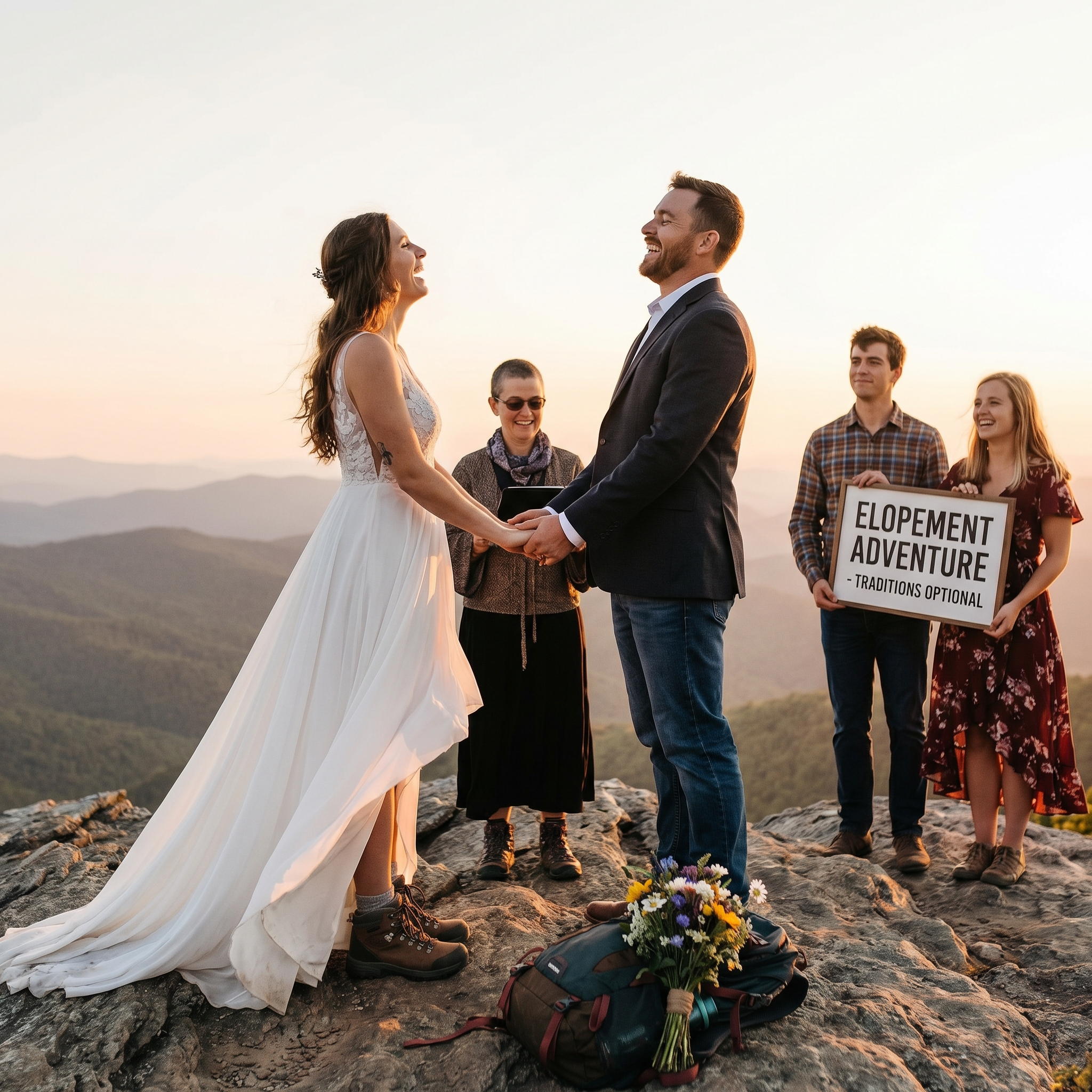
Whatever form it takes — religious, civil, secular, spiritual, courthouse, backyard — the ceremony is the irreplaceable center of the day. It is the moment. Everything before it is preparation; everything after it is celebration. Very few couples regret having a ceremony, regardless of how stripped down or elaborate it is.
What varies is the form. A traditional religious ceremony with a full liturgical structure is meaningful for some couples and hollow for others. A simple civil ceremony with personalized vows in front of thirty people can be just as profound — sometimes more so — than a formal church service. The tradition worth keeping is the commitment of making vows in front of witnesses. The format is yours to decide.
Exchanging Vows
This one is worth keeping, and worth doing thoughtfully. Vows are the actual substance of what a wedding is — everything else is context and celebration. Whether you use traditional vows (“to have and to hold…”), write your own from scratch, or do a mix of both, the moment of speaking your commitment to each other out loud, in front of the people you love, is the emotional core of the day.
Writing your own vows has become more common and for good reason: personal vows that reflect your actual relationship tend to land differently than recited text, for both the couple and the guests. If you’re thinking about writing your own, give yourself more time than you think you need, and read them out loud before the day — both to practice and to make sure they say what you actually mean.
Rings
The exchange of rings is one of the oldest and most universally understood symbols in Western wedding tradition, and for most couples it carries genuine meaning. A ring is a visible, daily reminder of the commitment made on the wedding day. It goes on your finger the morning of the ceremony and stays there for the rest of your life.
If rings don’t resonate with you for personal, professional, or cultural reasons, alternatives like tattoos, other jewelry, or a different symbolic object can serve the same purpose. But for most couples, the ring exchange is a keeper.
Getting Ready Together or Separately
The tradition is separation — bride in one suite, groom in another, building anticipation until the first look or ceremony reveal. And for some couples, that structure works. Having your own space and your own people around you in the morning can feel grounding before a big day.
But there’s an equally strong case for just spending the morning together. Your wedding day is one of the best days of your life — why fragment it? Couples who get ready together often describe the morning as one of their favorite parts of the day: calm, connected, and genuinely enjoyable rather than a logistical exercise in keeping two people apart. It also simplifies the timeline considerably, and if you’re doing a first look anyway, the “anticipation” rationale for separation largely disappears.
The tradition is separation. The better question is simply what kind of morning actually sounds good to you both.
The First Dance
Not because it’s required, but because it works. A first dance, done well, creates a genuinely cinematic moment that guests love, that photographs and films beautifully, and that gives the couple a brief, quiet island in the middle of an otherwise very full day. Even couples who hate dancing tend to be glad they did it.
As we’ve said elsewhere, the timing matters: doing your first dance immediately with the grand entrance — before dinner, while the room is clean and the energy is high — produces a much more dynamic moment than doing it after people have eaten and the dance floor has scattered.
Toasts and Speeches — Skip Them
Let’s be honest about what wedding speeches usually are: someone handed a microphone, standing in front of a room full of people who didn’t ask for a performance, delivering a monologue about themselves dressed up as a tribute to you.
The best man runs through stories the couple has already heard a hundred times. The maid of honor cries through four minutes of inside jokes that land for exactly three people. A parent wanders through your childhood, your partner’s first visit to the house, and somewhere a gardening metaphor. The room smiles politely, checks their phones under the table, and waits for it to be over.
Speeches are, at their core, a little egotistical. The person at the microphone becomes the center of attention at someone else’s wedding. Meanwhile, your food is getting cold, the DJ is on hold, and you’re sitting there nodding for fifteen minutes of a six-hour day.
You don’t owe anyone a microphone at your wedding. If someone in your life genuinely has something to say, there are better contexts for it — a private letter read before the ceremony, a heartfelt moment at the rehearsal dinner where the room is small and the setting is actually right for that kind of thing. The rehearsal dinner is where speeches belong. Intimate room, people who all know each other, no reception energy to kill. Now I’ve heard a few good speeches, but the majority of the time, it’s exactly as mentioned above.
If you feel like you can’t skip them entirely without a family situation, set a hard two-minute limit per person and communicate it in advance. Two minutes is enough to say something real. Everything past two minutes is usually for the speaker, not for you.
The Traditions Worth Having a Real Conversation About
The First Look (vs. Waiting for the Ceremony)
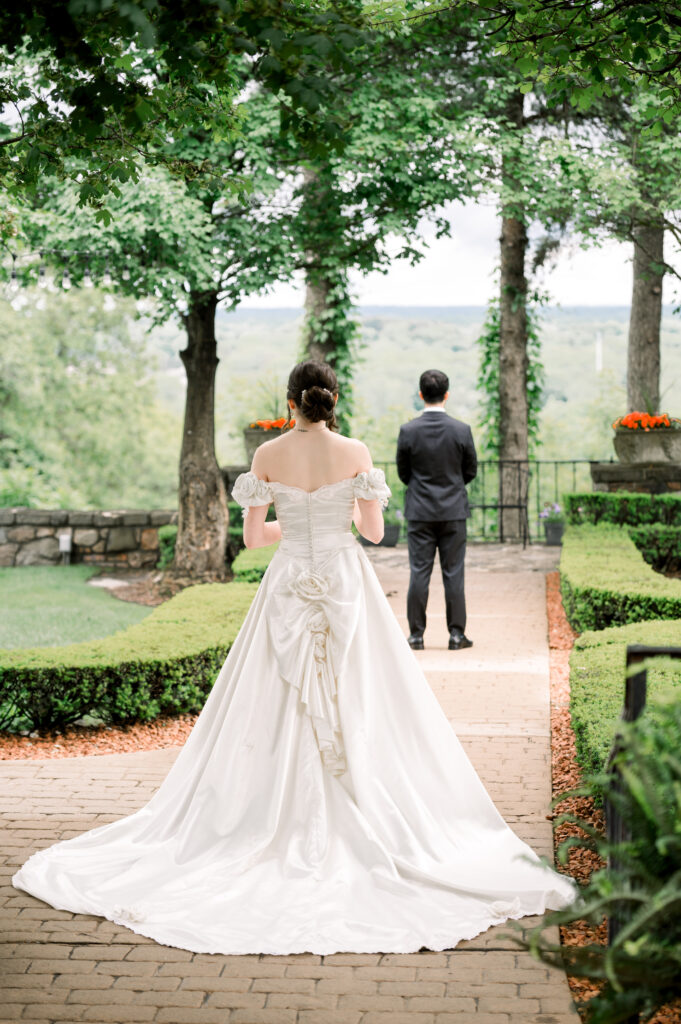
Traditionally, the couple doesn’t see each other before the ceremony — the aisle reveal is the moment. Many couples still choose this, and it can be genuinely powerful. The walk down the aisle, knowing your partner is seeing you for the first time, carries a weight that’s hard to replicate.
But the first look — a private moment before the ceremony where the couple sees each other intentionally, away from guests — has become increasingly common for real reasons. It calms nerves. It creates an intimate moment that only the two of you experience (and that photographs and films beautifully). It also dramatically affects your timeline, opening up portrait time before the ceremony and reducing post-ceremony pressure.
Neither choice is wrong. What matters is that you make it deliberately, understanding the trade-offs, rather than defaulting to tradition or trend without thinking it through.
The White Dress
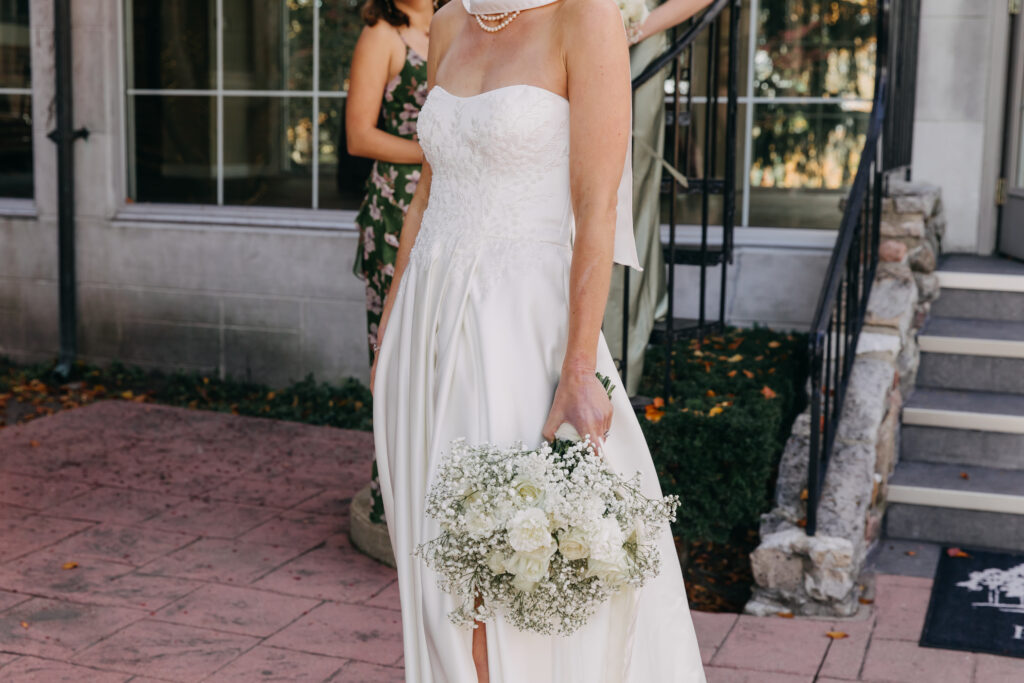
The white wedding dress became a widespread tradition after Queen Victoria wore one in 1840 — before that, brides simply wore their best dress, in whatever color they owned. For roughly 180 years since, white or ivory has been the default expectation.
Today, brides wear blush, champagne, sage, gold, black, and deep red with zero apology — and those choices often produce some of the most striking and distinctive wedding photos of the year. The “rule” that a bride must wear white has essentially dissolved in most contexts.
Wear what makes you feel like yourself. If that’s white, wonderful. If it isn’t, also wonderful. The only thing that matters is that you feel genuinely beautiful in it.
The Processional Song
“Here Comes the Bride” (Bridal Chorus by Wagner) has been the default processional for so long that many couples don’t even question it. Worth knowing: the piece comes from a 19th-century opera in which the marriage it celebrates ends in murder. Its continued use is entirely habit rather than meaning.
Walk down the aisle to whatever song moves you — a classical piece, a pop song stripped to strings, a piece that has personal significance to your relationship, or something you both discovered together. The processional is a musical moment that’s entirely yours to claim. The tradition worth keeping is the idea of a processional; the specific song is a blank canvas.
The Bouquet and Garter Toss
These are the traditions couples most commonly skip without regret — and the ones that make guests most visibly uncomfortable when they’re forced to participate. Rounding up all single guests to compete for a thrown object as a proxy for “who gets married next” lands awkwardly in most modern rooms, and the garter removal in particular can feel out of place depending on your crowd.
If your guests would genuinely enjoy it and you want to include it, include it. But if you’re doing it because you feel like you’re supposed to, know that very few couples look back on this as one of the meaningful moments of their wedding day — and very few guests miss it when it doesn’t happen.
The Receiving Line
A receiving line — where the couple and sometimes their families greet every guest in sequence at the end of the ceremony — is a logistical tradition that has a clear purpose: making sure you personally acknowledge every single person who came to your wedding. That’s a real and meaningful goal.
The execution, however, can turn a 30-minute cocktail hour into a 60-minute exercise in shuffling guests through a line. Alternatives that accomplish the same goal: table visits during dinner, where you move through the room and spend a few minutes at each table, or a deliberate effort to find every guest during the reception.
If your guest count is under 75 and you genuinely want the moment of looking every person in the eye, a receiving line works well. For larger weddings, table visits tend to feel more natural and personal.
The Cake
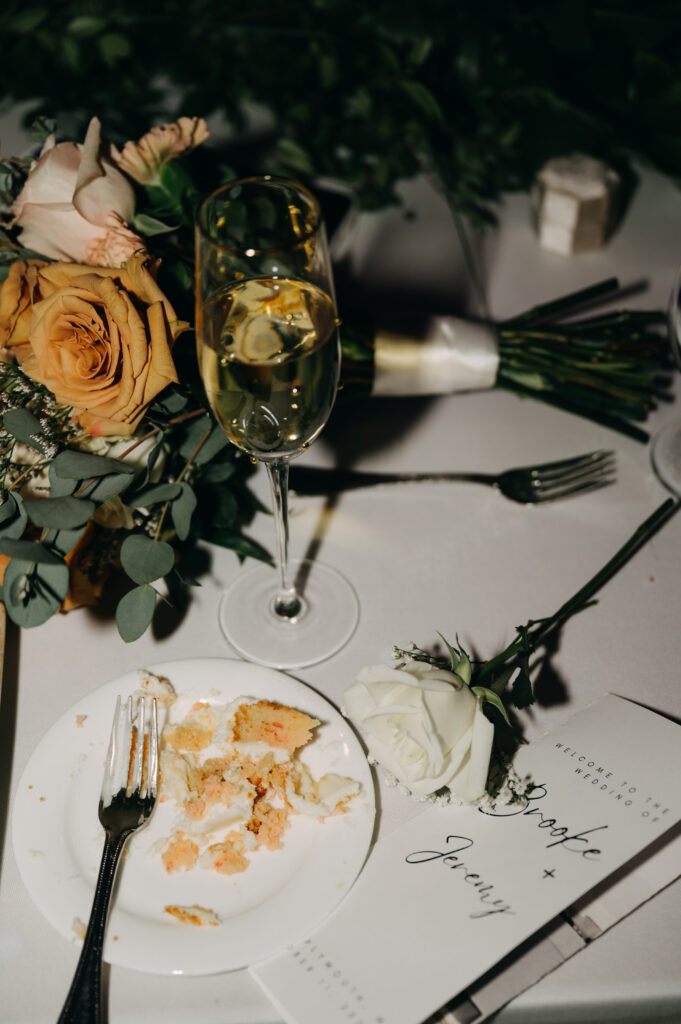
Wedding cake is delicious and photographs beautifully. It’s also expensive, labor-intensive to serve, and often results in more waste than anyone anticipated. Many couples opt for dessert alternatives — a donut wall, a cookie table (a Pennsylvania and Midwest tradition that deserves wider adoption), a dessert bar with multiple options, pie, or simply a single-tier cake for the ceremonial cutting alongside a sheet cake that actually feeds guests.
The cake cutting itself is a lovely tradition that cameras love and guests enjoy watching. You don’t need to spend $800 on a six-tier cake to have that moment — a beautifully made two-tier cake or even a decorated wheel of cheese can be the centerpiece of a memorable cutting without the cost or waste of a full formal cake.
The Traditions Most Couples Skip Without Regret
Something Old, New, Borrowed, Blue
This one survives almost entirely on inertia. Very few couples feel a genuine emotional connection to the superstition; most do it because it’s on a checklist somewhere and feels easier to satisfy than to question. Incorporating items into your getting-ready morning that carry actual personal meaning — jewelry from a grandmother, a letter from your partner, a photo tucked into your bouquet — is a more resonant version of the same impulse.
Keep it if it means something to you. Skip it with zero guilt if it doesn’t.
The Father “Giving Away” the Bride
Walking down the aisle with someone you love is a beautiful tradition. The framing of a father “giving away” his daughter as a transaction between men — its original meaning — is one most modern couples quietly reframe even when they keep the structure. Now as a Christian man myself, it’s not that I see something inherently wrong with this tradition, it’s more that the world has changed and marriage simply does not operate that way anymore, so why not update the tradition a bit?
Options couples choose today: walking with both parents, walking with a parent of any gender, walking with a close friend or chosen family member, walking alone with full intentionality, or walking with your partner together. The procession is worth keeping. The specific framing is worth making your own.
Unity Candles and Sand Ceremonies
These symbolic elements can be meaningful — but they’re most meaningful when they connect to something real in your relationship or your families. Performed simply because they’re “what weddings have,” they tend to add ceremony length without adding emotional weight.
If a unity ritual resonates with you and you can articulate why, include it. If you’re doing it because it fills time or because your venue has the props, it’s a safe skip.
The Anniversary Dance
A sweet idea in theory — couples are called to the floor and those married longest remain until only one couple is left. Works beautifully in rooms where a significant portion of guests are long-married couples who enjoy the moment. Falls flat in rooms with a young crowd, a lot of single guests, or couples who haven’t been married long enough to feel the sentiment.
Know your room before you include this one.
Matching Bridesmaids Dresses
The tradition of all bridesmaids wearing the exact same dress in the exact same color has largely given way to mix-and-match palettes — same color, different silhouettes; same designer, different shades; or simply a color family with individual choices within it. The mix-and-match approach tends to look more natural in photos, flatters different body types better, and is genuinely easier on the bridesmaids who are paying for their own dresses.
Whether you go coordinated or matching, the tradition of having your closest people standing with you is worth keeping. The specific uniformity of the dresses is not a rule.
The One Rule That Actually Applies
Your wedding is yours. Not your parents’. Not your guests’. Not the wedding industry’s. Yours.
The traditions worth keeping are the ones that create something real — a moment that actually means something, that you’ll remember, that makes the people in the room feel something genuine. The rest is performance. And performing a checklist of customs on one of the most important days of your life, for an audience, is a strange way to spend it.
Ask yourself this about every tradition you’re considering: if I skipped this, would I actually miss it? Not “would someone else be disappointed” — would you miss it? If the answer is yes, keep it. If the answer is no or even “I’m not sure,” you already have your answer.
Build a day that feels like you. It will be better for it.
A Few Practical Notes on Stationery Traditions
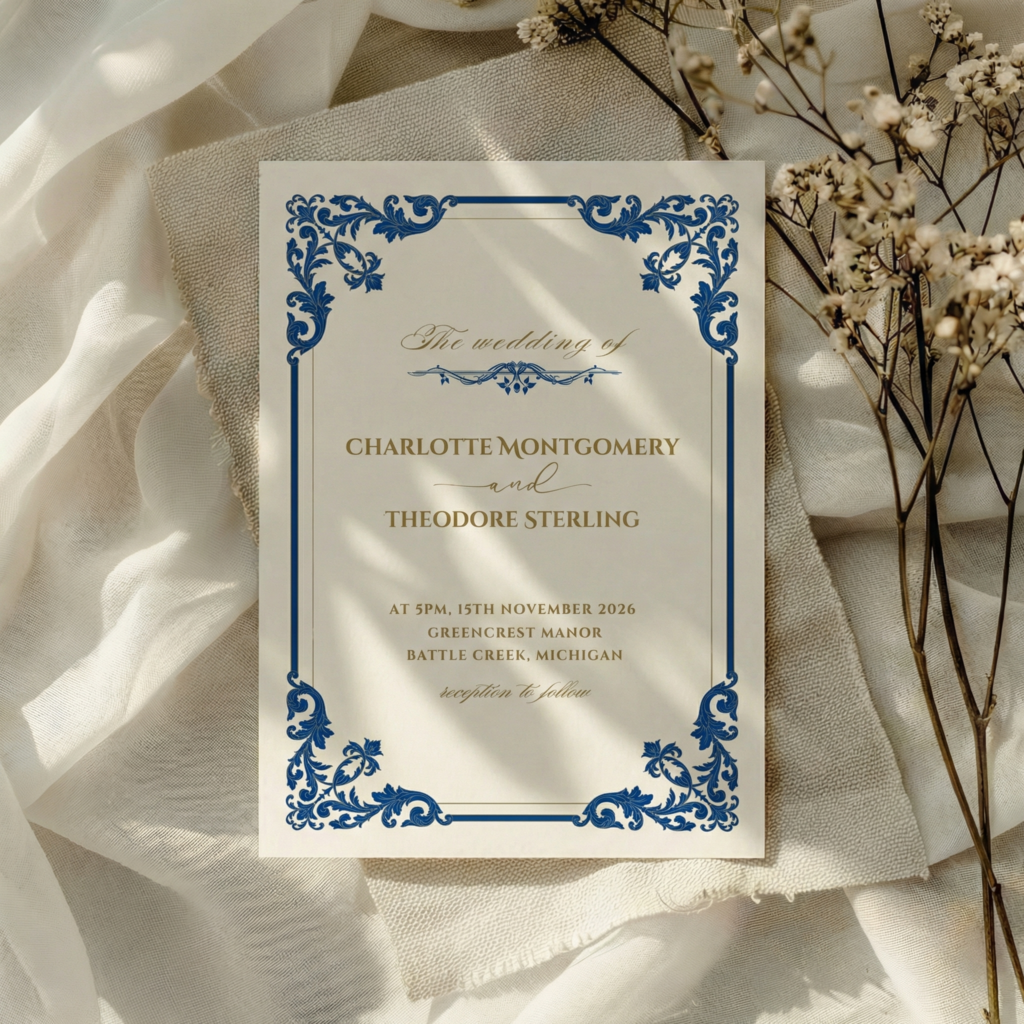
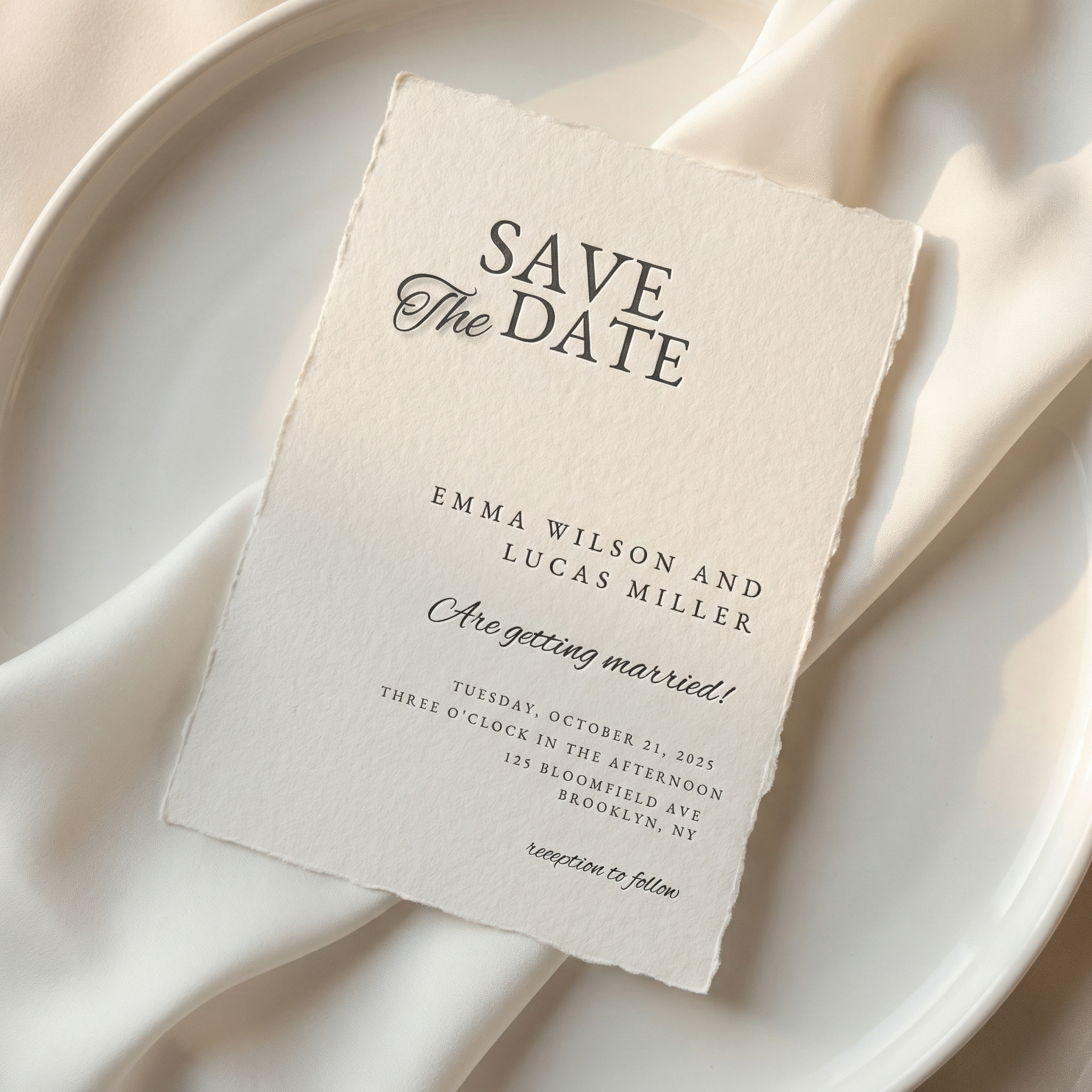
One wedding tradition that genuinely matters — and that couples sometimes underestimate — is the save the date and invitation. Sending a save the date is how guests know to hold your date, especially if you have people traveling from out of town. Invitations set the tone and formality of the day before guests arrive.
You don’t need to spend a fortune on custom printed stationery to get this right. Editable Canva templates that you customize yourself and print locally or through an online printer can look just as polished at a fraction of the cost. The Promani Weddings Etsy shop has a range of editable save the date and wedding invitation templates — from modern minimalist to romantic floral to classic gold formal — starting under $6 and ready to customize immediately after download.
Final Thought
The best wedding traditions aren’t the ones written in a rulebook. They’re the ones that create a moment — something that stops time briefly, that makes the people in the room feel something, that you’ll talk about for years afterward. Some of those moments come from traditions that are hundreds of years old. Some come from things couples made up themselves because it felt right for them.
Follow the traditions that serve your day. Let go of the ones that don’t. And trust that a wedding built around what actually matters to you will feel more meaningful than one assembled from a checklist.
Promani Weddings offers wedding photography, videography, DJ services, and content creation across Utah, Colorado, Tennessee, Michigan, Virginia, Washington, Oregon, Illinois, Indiana, North Carolina, Massachusetts, and Idaho. View our packages or reach out to start planning your day.
Free
Inspiration
recently on the journal
Previous Post:


